The world needs energy. It doesn't need the emissions.
BioEnergy Fuels turns waste that already exists into fuel that works in the engines we already have. No new drilling, no new landfills, and nothing cut down to make it.
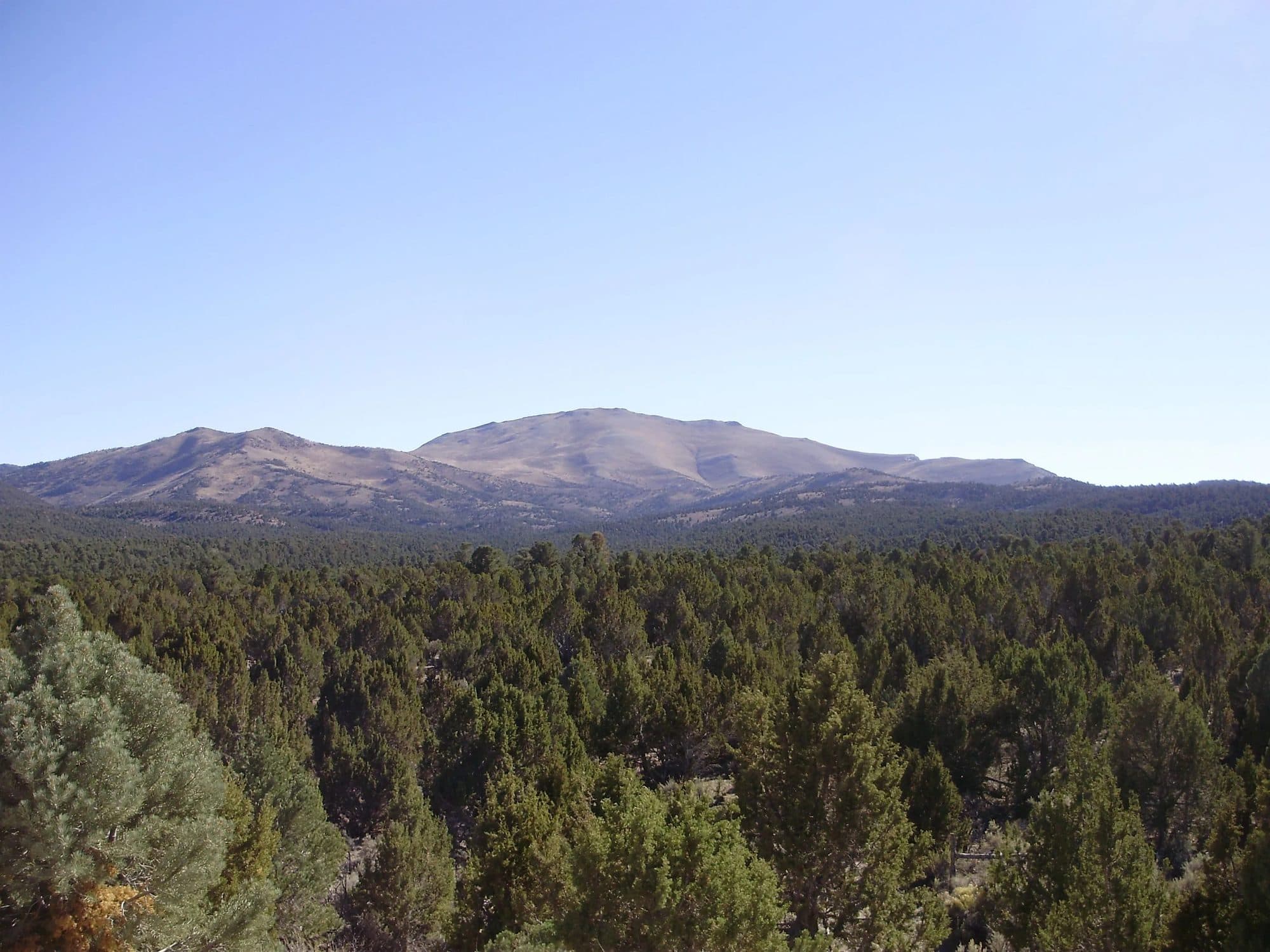 Biomass feedstock, ready to become fuel
The trade-off we refuse
Modern life runs on energy, and the way the world makes it is changing the climate. Most answers to that ask somebody to give something up: range, cost, convenience, or the engine they already own.
We started from a different premise. The problem is not that we burn fuel. It is where the fuel comes from. Pull it out of the ground and you release carbon that was safely buried. Make it from waste that is already above ground and already breaking down, and the arithmetic changes.
To turn waste streams into fuels worth more than the waste was, without creating a new problem in the process. Lower carbon emissions, a use for material that currently costs money to dispose of, and energy produced close to where it is consumed.
The science came before the company
Dr. Foster Agblevor spent more than a decade at Utah State University on a single question: how to convert plant matter into fuel that behaves like the fuel we already use.
In 2019 we partnered with USU and began funding that research directly. BioEnergy Fuels now holds exclusive rights to the patented catalytic pyrolysis process that came out of it — built on a bauxite-residue catalyst that is itself an industrial waste product, used to turn other waste into fuel.
USU research into turning biomass into drop-in liquid fuel.
The partnership begins. We fund the research directly.
Exclusive rights to the patented process.
Have you proven it commercially?
The foundation of our technology is fast pyrolysis, which is already widely used industrially in recycling and energy production. Among the primary thermochemical conversion routes, fast pyrolysis is the most economically feasible way to convert biomass into liquid fuels, and therefore has attracted a great deal of research over the past two decades.
Using extreme heats, the energy of feedstocks can be concentrated into usable bio-crude oils. What we add is the catalyst. Our patented process increases the efficiency of pyrolysis with an innovative bauxite residue catalyst, and no byproduct is wasted: the gases are reused for heating the reactor and useful solids like biochar are captured for use in other industries.
So the answer has two parts. Fast pyrolysis already operates commercially. BioEnergy Fuels builds on that established foundation with a patented catalyst designed to improve the process and recover more value from feedstocks. We are now advancing our first commercial deployments, where we will demonstrate those advantages at operating scale.
How it works
A catalyst breaks the waste down into vapour. The vapour is condensed into a liquid. That liquid is stable, which is the part that matters: a stable liquid can be refined, shipped and stored like any other fuel stock, rather than treated as a laboratory result.
What comes out the other side is functionally no different from the petroleum-based fuels in use today. Nothing downstream has to change to accept it.
Residues, thinnings, byproducts. Nothing felled.
Heat and the red-mud catalyst decompose it into vapour.
Condensed. Refinable, shippable, storable — drop-in.
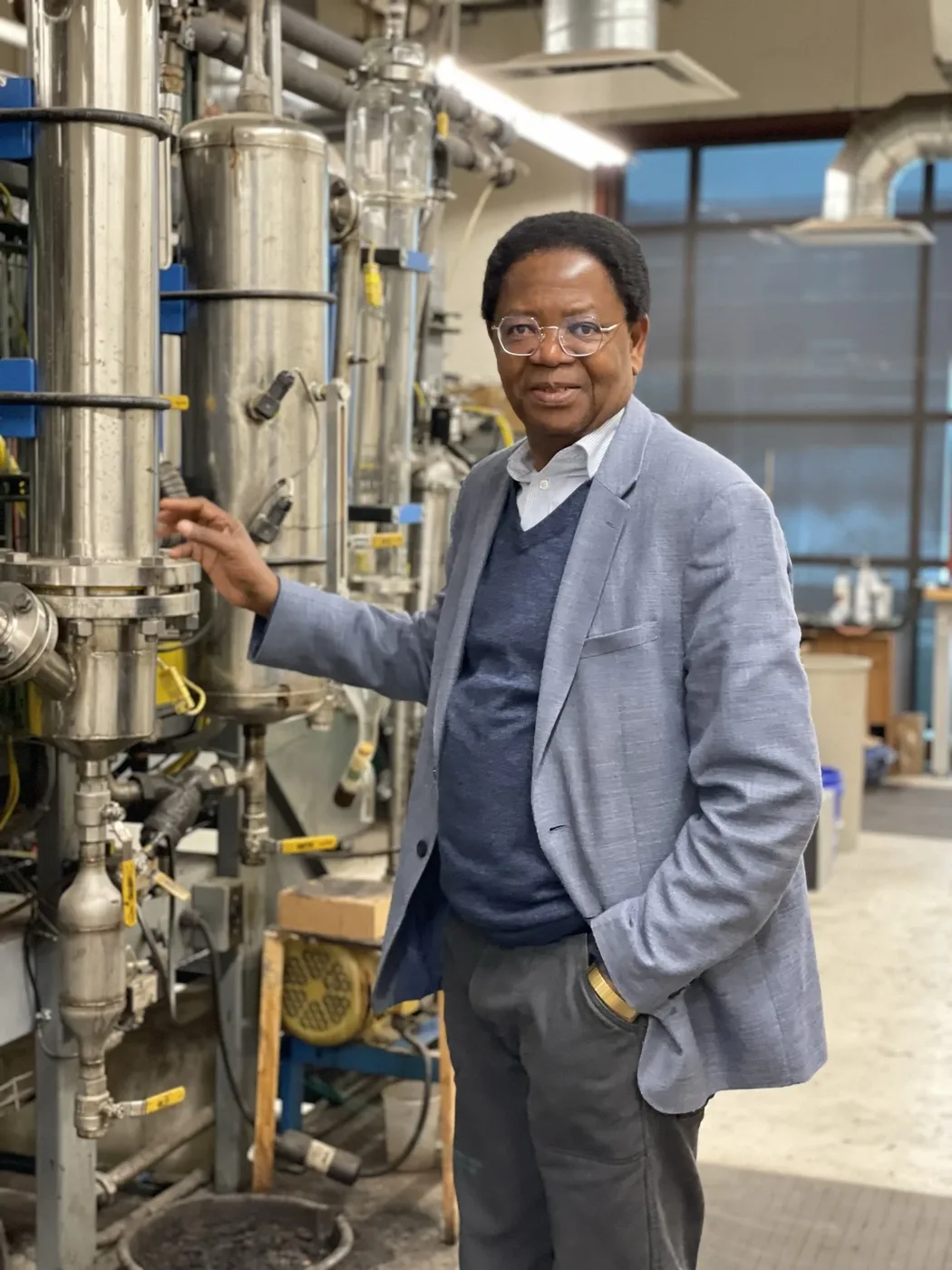
More than a decade researching the conversion of biomass into liquid fuels, and the scientist behind the catalytic pyrolysis process we license. Named among the World's Top 2% Scientists (Stanford, 2021). Fulbright Scholar (Finland, 2015) and multiple-time researcher of the year. PhD in Chemical Engineering, University of Toronto. Photographed at the USU reactor.